Laughter is the best medicine with Love’s The Best Doctor

While I have been designing masks for a number of decades, it’s not always true that I am also performing in one of them. However I am one of the actors in Love’s The Best Doctor, an adaptation of L’amour medicin by French playwright Molière, currently playing at Dell’Arte International.

And it’s a blast!

My experience in the world of mask performance tells me that actors who make at least one or two masks have better understanding of playing in mask; and conversely, mask makers who have performed in mask are better positioned to making masks for performance. So I am grateful to have re-entered the performance world a number of times in the last few years. It’s a more complete experience for me.

Photo by Mark Larson
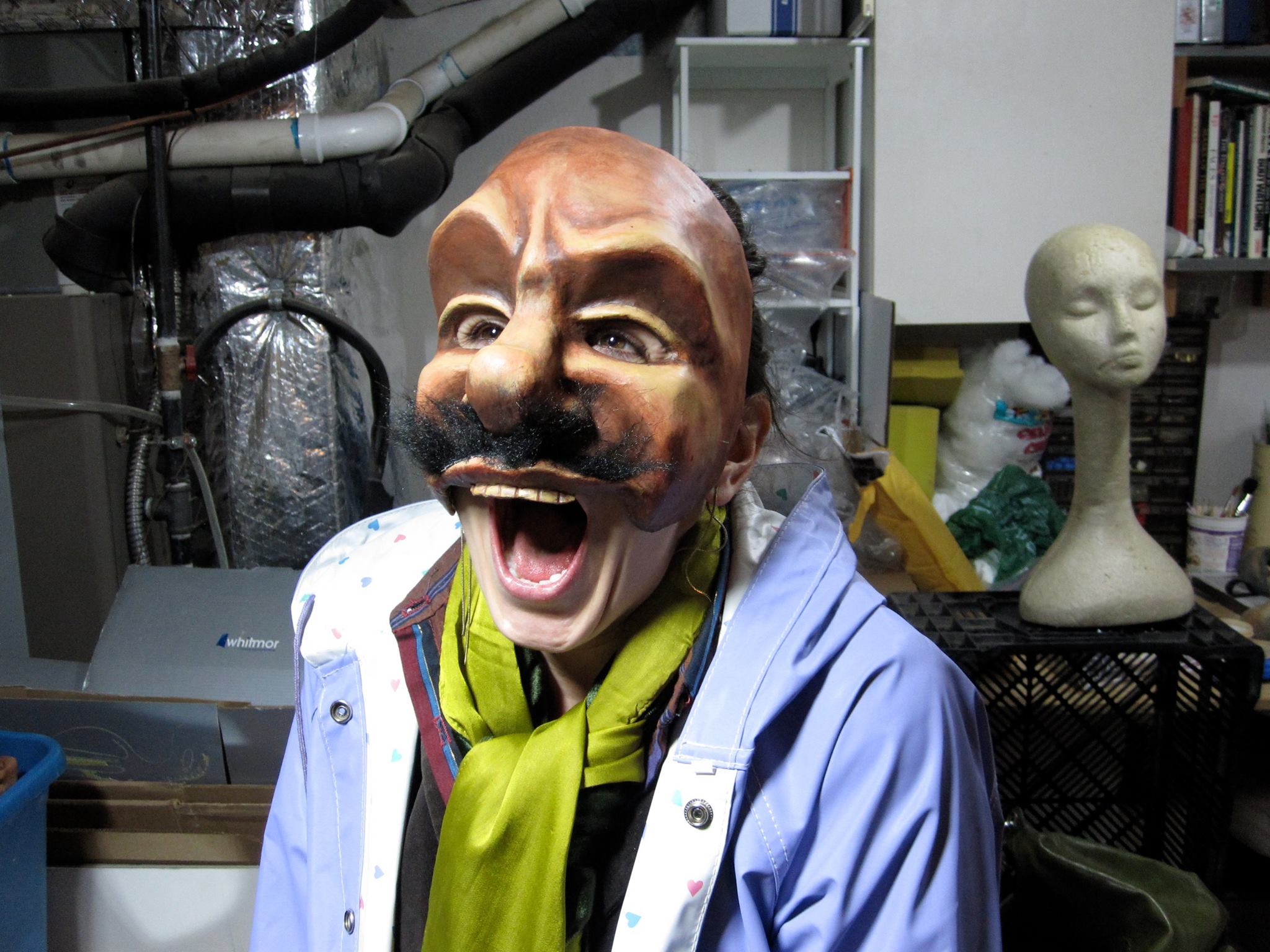
Love’s The Best Doctor, adapted and directed by Michael Fields from the play by Molière.


Lucinde fakes an illness and her father calls in medical help…and the doctors arrive…including Dr. Munch, an arthritic acupuncturist (Julie Douglas); Dr. Ballich, an old, old-time GP (Mike Murdock); Dr. Dickinsheets, an Ayurvedic doctor (Tony Fuemmeler);Dr. Savage, a surgeon (Sean Lang);Dr. Roland Fucklehead Kissme, an idiot (Ben Clifton); Dr. Crypto, an insurance adjuster (Tony Cogliati); and Dr. Fee, a pharmacist (Maria Sotiropoulou)

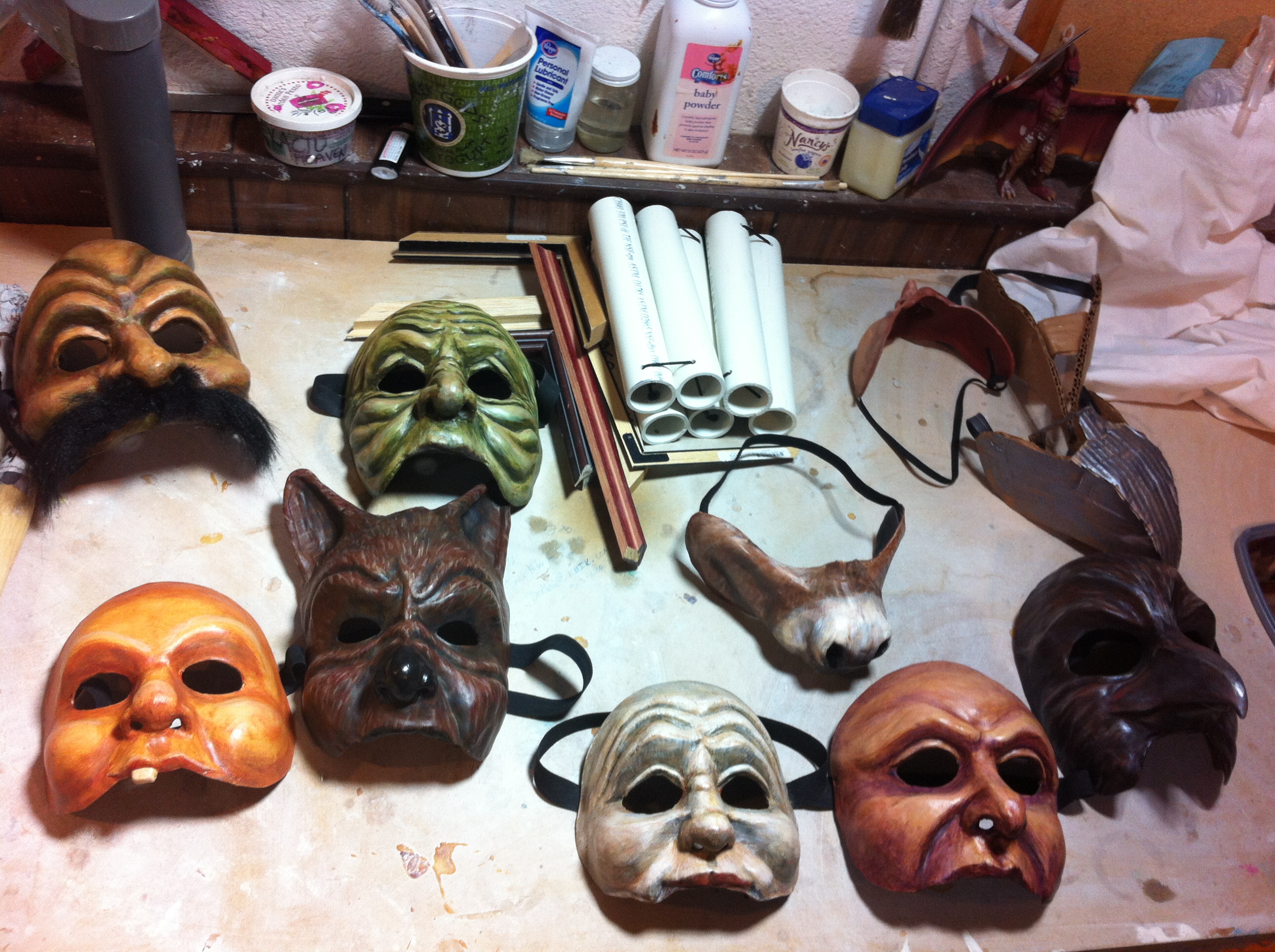
The play features a number of inept doctors more focused on trying to maintain status and/or get paid than helping a patient find their way back to health. They are a variation of the Dottore character from the Italian commedia dell’arte, the one who acts as if they know everything, but truly do not. The contemporary adaptation—don’t be fooled by the 17th century costuming—features five doctors, a pharmacist and an insurance adjuster. The variations in the character afforded me a little latitude to utilize other mask types in the chorus of “healers”, including a Pulcinella, an Arlecchino/Brighella hybrid, and a Stupino. (This last one is a type developed by students working through the decades at Dell’Arte, often credited to Gina Bastone).


In designing the character ecosytem, I consulted with designers and directors often before offering my ideas to the actors. I wanted to find a variety in my iterations of Dottore masks that could support the actors to develop their characters, bodies, and gestures in a way that could make those characters print clearly for the audience. This chorus is not made of clones, but rather of individuals with both similarities and differences.


The controlling father is a classic Pantalone archetype, and is played very well by Dave Ferney. His mask features some very wild eyebrows; the costume designer, Lynnie M. Horrigan, excitedly added some of the same material to his hat to complete the framing of the mask. A few characters, as is traditional, do not wear masks but rather heightened makeup; the lovers and the servetta. However, they still play in the physical vocabulary of the mask world.

The fun comes with the play. As we rehearse, we don’t merely memorize and practice; we discover, invent, propose and refine. The masks help guide the work and, ultimately, convey the inner life of the characters to the audience. The actors and the audience play on each other as partners. We play outside and react to all that’s present. It’s a very live form.

See more photos here by clicking here.

Missing Your Face

I have really missed seeing people. Even though I’m mostly introverted, I like making those in-person connections. Virtually communicating everything has been a lot to adjust to, and some things get left behind. Clearly, it’s been awhile since I wrote anything here—or kept my site up-to-date. As the pandemic is getting more under control, it’s exciting for me to break that pause with a show announcement!

From May 7 to July 3 of 2021, you can see a whole range of new work from myself and fellow mask maker Matt Fagan at the beautiful Art Center East galleries in La Grande, Oregon. The show is called MISSING YOUR FACE: Masks of Location, Isolation, and Transformation. If you’re in eastern Oregon, there will be live viewing possible (bring your own masks!) as well as virtual walkthrough experience for those further away.

Visit ACE’s website or check out my exhibition page to find out more!

Project Update 2: A Universal Feeling

After a 18 months of planning and working, you can finally come see the first showing of A Universal Feeling! The exhibition opens as a part of my larger exhibit, Reveal/Conceal: The Transformative Masks of Tony Fuemmeler.

  • 5:00–8:00 pm, Friday, November 8
  • Grand Lobby,  Chehalem Cultural Center  (415 E Sheridan St, Newberg, OR)

There will be live, masked-musicians, masked performers and the opportunity to try on some masks. You can also meet some of my local collaborators for Universal Feeling, AND some other mask-makers!

That’s right— the Chehalem Cultural Center will also feature a group exhibit of even more mask makers: Rachel Mulder, Nathan Tanner, Faerin Millington, Kris Musser!

This event is FREE and OPEN TO THE PUBLIC. Wine and light refreshments provided. See the FB Event Page Here.

The exhibition will run from November 5–January 3.

I’ve included a few of my masks here, as well as some mashups of the work of my collaborators. Come see the show to see the complete works!

Project Update: A Universal Feeling

It’s been an amazing 5 months of work on A Universal Feeling!  January through March were heavy on the initial creation of the six expressions of emotion. The last two months have been a heavy lift—with many volunteers—of creating the iterations of the masks in papier-mâché.

Throughout the making process, I also had to stagger the shipping process to ensure everyone would get their mask at the right time. The process began, naively enough, with heading to a local shipping franchise. And I learned some things.

Lesson 1: Shipping is calculated not only based on weight, but on dimensions. Nothing too surprising there. They have to account for how much space a thing takes up when sending it to destinations around the world.

Lesson 2:  Size matters. A roughly 12” cube package, weighing less than 1.5 pounds, will still be charged as weighing 8 pounds.  A little surprising.

Lesson 3:  Two identical packages traveling to different locations will be charged differently. Of course. But while the shipping cost may vary by a few dollars between domestic locations (say roughly $24 one way to Arizona and $33 one way to New York City) that shipping cost will explode when leaving the country… up to 10 times as much! One way! For the same exact object and service!

Lesson 4:  Learn where your research and budget have shortcomings. Strategize to fix.

Lesson 5:  Ask for help when you need it. It turns out I already know some people with experience with shipping art internationally. They can advise on how to find the right price.

Lesson 6: Membership has privileges. While investigating the benefits of creating an account with a shipping company, you may be informed that you will be eligible for discounts of up to 45% off!! Hello, affordability!

Lesson 7: Pay to Play. When the shipping company learns you may not be shipping at a predictable and consistent volume, but are instead working on a large art project, they may not actually follow through with setting up an account.

Lesson 8: When time is running short, you may need to bite the bullet. Those masks have got to get to the people, and a little thing like cost can’t get in the way. Just reshuffle that budget, take a pay cut, and make it happen.

Lesson 9:   Surprise is, by definition, surprising. Expect surprises anyway. Like when import taxes are charged despite begin the package being under a de minimis value. Or like when VAT charges are assessed because you have sent a “gift” even though you made it clear in customs paperwork that it was not a “gift”. Or like when you assume you have just prepaid to have a package sent a to  the person to whom you addressed it, there may be an office who informs you that you have essentially only paid to send it to the country (or if lucky, to the city) of the recipient and they will be expected to pay a “handling charge” to have it delivered to their house.

Lesson 10: Ask for help when you need it (reprise).

Lesson 11:  Remember that every experience is new information, and the wise person learns from it. And also, record all your experiences so that your future self knows what questions to ask when attempting a large international collaboration. 🙂

Lesson 12: Gratitude is key. There are so many wonderful collaborators, generous financial supporters, and emotionally supportive friends who keep this wheel turning with enthusiasm, curiosity and humor. Totally worth it.

Buon Viaggio

Strebor Ailuj

At some point—after I had already researched various mask traditions and teachers around the world, and after I had already decided how to focus my next period of study, and after I had already begun strategizing  and planning my trip—I realized something significant.

My first study in culture and mask traditions had brought me to Bali.  Not too long after, I had the serendipitous and fantastic opportunity to work as a volunteer mask creator in India. And now, in just a couple of weeks, I am headed to research mask styles and performance techniques in Italy.

I am doing that rarely attempted feat:  The Reverse Eat, Pray, Love.

language apps2
This language app has a philosophical bent.

Who is the reverse of Julia Roberts? And will that actor get to play me in the film? Where is the emoji for “fingers crossed”?

Flippancy aside for the moment, this is another great step in my do-it-yourself master’s degree  in mask making and mask performance. By pursuing fluency in various international mask traditions, I grow as an artist and educator in my community and beyond. So, without further ado, here’s what I’m studying this summer!

The Sartori

For one month I will be in Abano Terme (outside of Padua) learning the art of leather mask making and “The Art of Mask in the Commedia Dell’Arte.” Donato Sartori, along with his father Amleto, helped to shape the understanding of theatrical mask play in contemporary western theater. They researched,investigated,and reinvented the commedia dell’arte, a masked, semi-improvised theater form that (A) featured the advent of women onstage, (B) utilized archetypes/stock characters, and (C) has had long-lasting effects on contemporary comedy.

Amleto Sartori worked among the highly influential minds of European physical theater and Donato carried on the tradition. Their work in neutral masks is also unparalleled. In 1979 Donato co-founded the Centro Maschere e Strutture Gestuali with Paola Piizzi and Paolo Trombetta to further investigate the mask in performance and space.

maschera_big
Sartori Arlecchino mask

My work is indebted to the Sartori. In the past couple of years, I have been further researching the masks of the commedia dell’arte tradition, directing movement for actors in commedia productions, and teaching performance classes in this style for youth and college students. This research has been accomplished through research in libraries and online and through practice in the studio and the classroom. It’s so refreshing and exciting—and important—to have a direct encounter with the artists and their work. It’s really the best way for me to learn. Although Donato passed away unexpectedly in late April, Paola and Sarah Sartori will be continuing their family’s tradition.

Familie Flöz

After about ten days travel and researching various mask museums around the country, I will travel to Tuscania, to study mask ensemble performance for two weeks with members of the Familie Flöz theater company.  For 20 years, this Berlin-based international company has been solely dedicated to creating and touring original mask performance.

Here are some photos of their amazing work in wordless, full-faced mask theatre.

My study will concentrate on the actor’s development of character in symbiosis with the mask, the creation and development of performance material without a literary basis, and work within an ensemble. It will be an energetic and organic movement training! Working inside this style of full mask promises interesting discoveries.

I will also spend time observing and interviewing mask maker Thomas Rascher to further understand how his work interacts and contributes to the development of plays and to the work of the company at large. The collective experiences and techniques of the Familie Flöz company—including the artistic directors, actors, and mask makers—will provide a unique and holistic immersion into mask theater.

So What?

I’ve already spoken about the more technical aspect of what I’ll be studying, and discussed a bit about what this trip means to me from an insider’s point of view. This blog is about those aspects, but it’s also but what lies beneath. Whether you’re walking in someone else’s shoes or putting on a new face, theater helps us understand each other and imagine our potential transformation.

Theater is like a gym for empathy. It’s where we can go to build up the muscles of compassion, to practice listening and understanding and engaging with people that are not just like ourselves.

IMG_3223
A student draws “what you don’t see” on the back of her mask.

In addition to creating masks for professional and educational productions, I also work as teaching artist in schools. It’s fascinating to see students uncover the possibility for change simply by donning a mask. Furthermore, I have witnessed that when we become engaged with the process of creatively making, we simultaneously become better at analyzing and interpreting the world around us. We are invited to question: How was that made? What was the intention behind the choices in that advertisement? Why is the law written that way?

And… fun! Masks can be extremely liberating and hilarious, and here is real value in sharing our joy and play. I mean, have you seen this video yet?!


Support My Journey

I believe in my work, and I believe in the value of exchange.

So in addition to the money I’ve saved, and the grants I’ve written, I have launched an online store to help fund my summer study. The masks I currently have in stock are now up for grabs. Every purchase you make will directly help me with food and transportation costs while abroad. You get a fun, transformative mask; I get lunch and train tickets. 🙂

If you don’t see the exact thing you need, and want to commission a set of commedia masks (or something else completely), email me and we’ll start a conversation.

And for those lovely souls out there who want to support the development of my work,  but don’t want a mask at this time: there’s also a donation section in my store. I’m grateful for whatever you can contribute.

Screen Shot 2016-05-22 at 7.17.44 PM
A screen shot from my new store!


Stay Tuned

I’ll be posting about once a week to keep you informed of my progress!


A View of My Studio

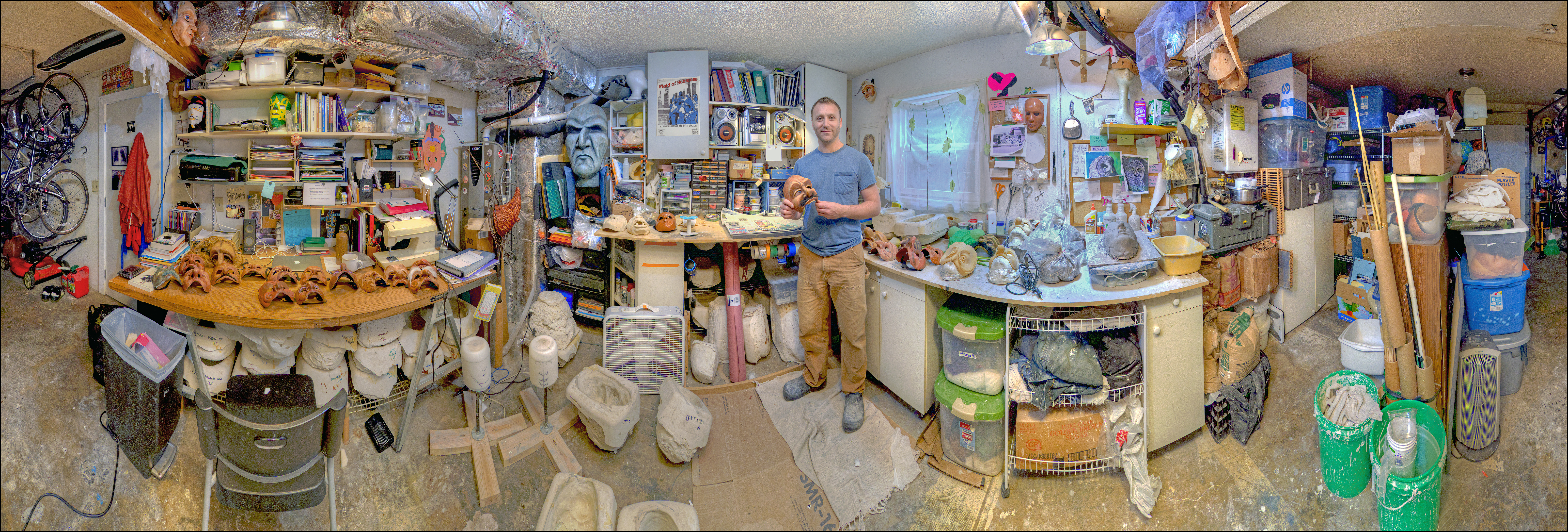
A few months ago I was approached by a photographer in Eugene, Oregon, named Dennis Galloway. Among his many other projects, he shoots panoramas of artists in their studios. We arranged a time and he came up an took this awesome photo.

We chatted about masks and photography and travels as we did this shoot. It went so quickly!

My studio, in panorama! Photo by Dennis Galloway
My studio, in panorama!
Photo by Dennis Galloway

The distortion caused by the rotation of the camera makes it look so much bigger than it is, and changes the shapes of things. Now I want curved tables to work at!

Check out more of Dennis’ work  at dennisgalloway.com​, and more of his studio panoramas here.

Mask Making Intensive Workshop in Portland: March 27-29

Hi everyone! I’m leading a workshop on half masks for the stage. Read more below!
To be sure to hear about upcoming workshops and performances, join my mailing list.
– Tony

Making the Stage-ready Mask

Learn how to make a mask that feeds the performer and is designed to play powerfully on indoor and outdoor stages. In this hands-on workshop, participants will design, sculpt, cast and paint a paper mache character half mask. Attention will be paid to sources of creative inspiration, qualities that promote dynamic onstage play, and techniques for shaping a well-engineered character mask. Participants will leave the workshop with a plaster cast of their face and one painted mask.
WHO:
            This workshop is excellent for costume designers, actors and performers, and mask enthusiasts at all levels of experience. Pre-registration by March 25 is required.

WHEN:
6-9 pm             Friday, March 27
10-7pm*            Saturday, March 28
10-7pm*            Sunday, March 29
 
 *There will be an hour lunch break on Saturday and Sunday
WHERE:
            Oregon Children’s Theatre, 1939 NE Sandy Blvd, Portland, OR
TUITION:
            The cost of the workshop is $225.  Special discount for blog readers: $200. Include the code “makingfaces” in your registration email.
 
Cost for materials is included. A $50 non-refundable deposit is required upon registration.
TO ENROLL: Email me at tony_fuemmeler@yahoo.com for more information and with any questions about the workshop.

Some for wearing, some for seeing

Some of my masks are commissioned. Some are  designed as a part of a specific theatre or dance production.  Some are the results of experimenting in the studio. But nearly all of the masks I make are intended for performance—or at least for wearing. The materials I use and painting styles I employ follow this sense of functionality.

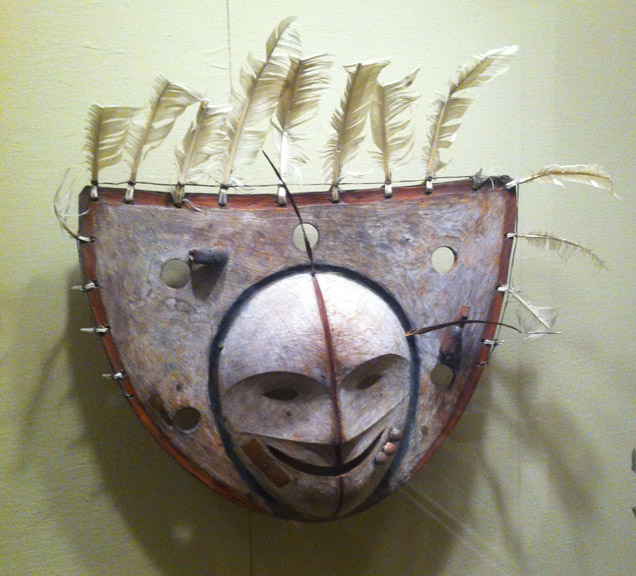
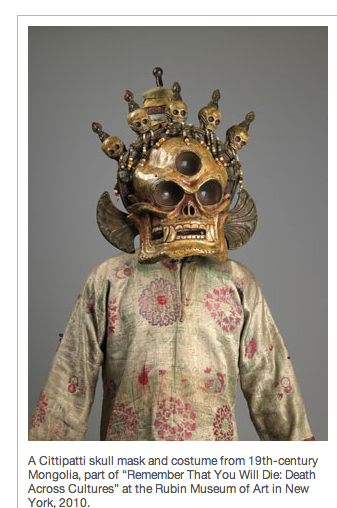
IMG_1965However, masks are not only present in the arena of performance, but in visual art world and the ritual world.  They can be sacred, profane, entertaining, instructing, comic, tragic, symbolic, magical, instructive, characters, metaphors, disguises, and more.

The feathers on this Inuit mask are important for what they are, not for the way they create an illusion of a face.

In some masks,  the materials used have equal or greater importance than the character or image of the mask. And in certain schools of theatre, the mask is a metaphor to describe everything: there is a mask of a character, of a space, of a time, of an atmosphere.

Cittipatti_skull-mask

And it’s always evolving!  New materials and processes arise. New technologies have implications on the way we find and maintain community. New needs become apparent, and new rituals develop to meet them.

Here are some links of some newer things I find interesting

Studio Bertjan Pot

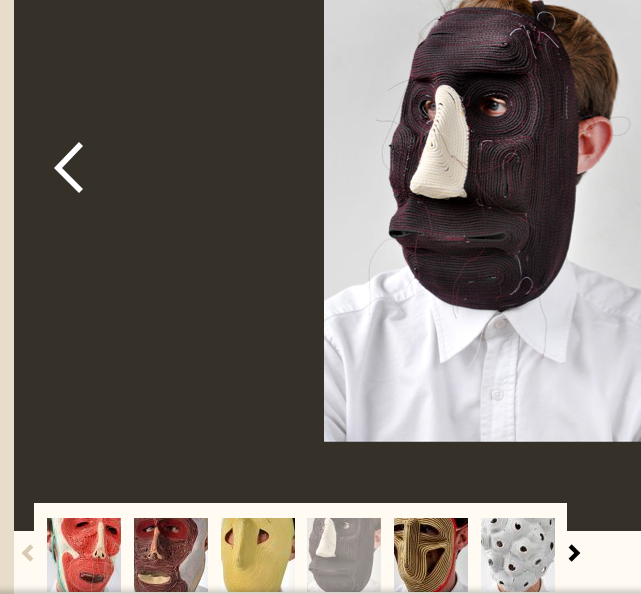
Read about the rope/string masks from Studio Bertjan Pot in this article from Juxtapoz.

These masks were born by accident, but they are quite interesting faces.

“I wanted to find out if by stitching a rope together I could make a large flat carpet. Instead of flat, the samples got curvy. When I was about to give up on the carpet, Vladi came up with the idea of ​​shaping the rope into masks. The possibilities are endless, I’m meeting new faces every day.”


Creative Compulsive

Daisey Bingham makes many wonderful things. I first met her as a fellow design student, and we spent many hours together in the costume shop.

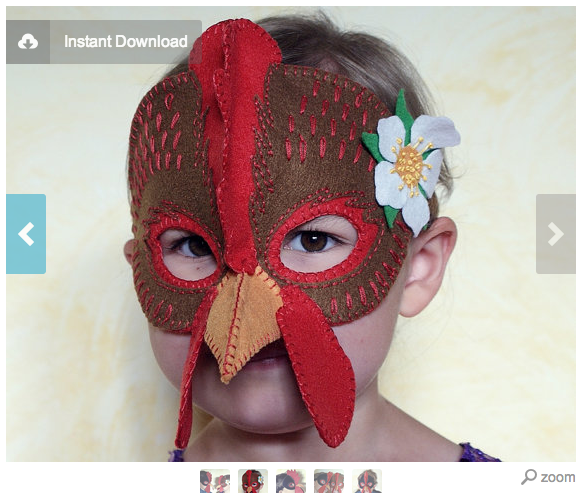
hen mask


Recently, she has begun to make many awesome masks stitched from felt, and even sells her patterns on her Etsy shop. You can follow her blog here.

Sasadesign

I met Aleksander Skoric in Amsterdam in 1999. He is a multidisciplinary artist that makes wonderful  paper masks. Check out his gallery on his website here.

Ivana Paperel from sasadesign on Vimeo.

Wonderheads

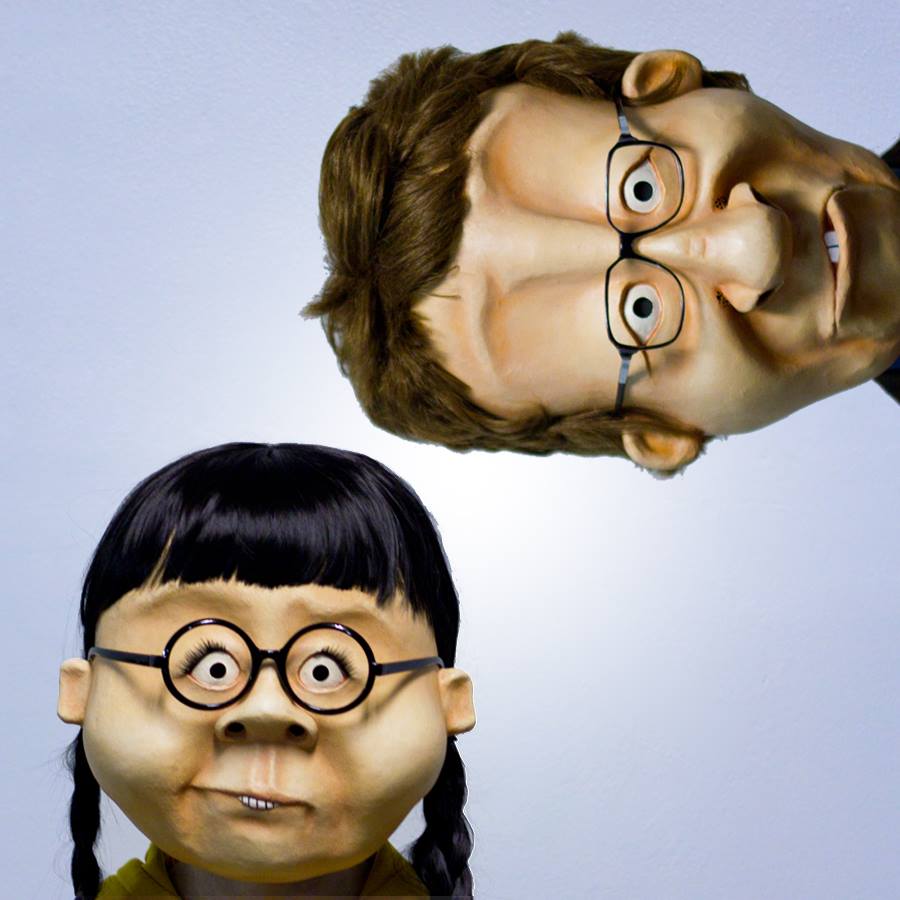
The Wonderheads are a performance company based in Portland, Oregon. Their comical shows feature a style of storytelling which is almost completely non-verbal. These masks completely surround the head and are fitted with accessories like wigs and glasses.

Two character from "The Middle of Everywhere". These masks completely surround the head and are fitted with accessories like wigs and glasses.
Two character from “The Middle of Everywhere”. Actors bring these characters and the story to life  with a nuanced use of the body.

Taylor Mac

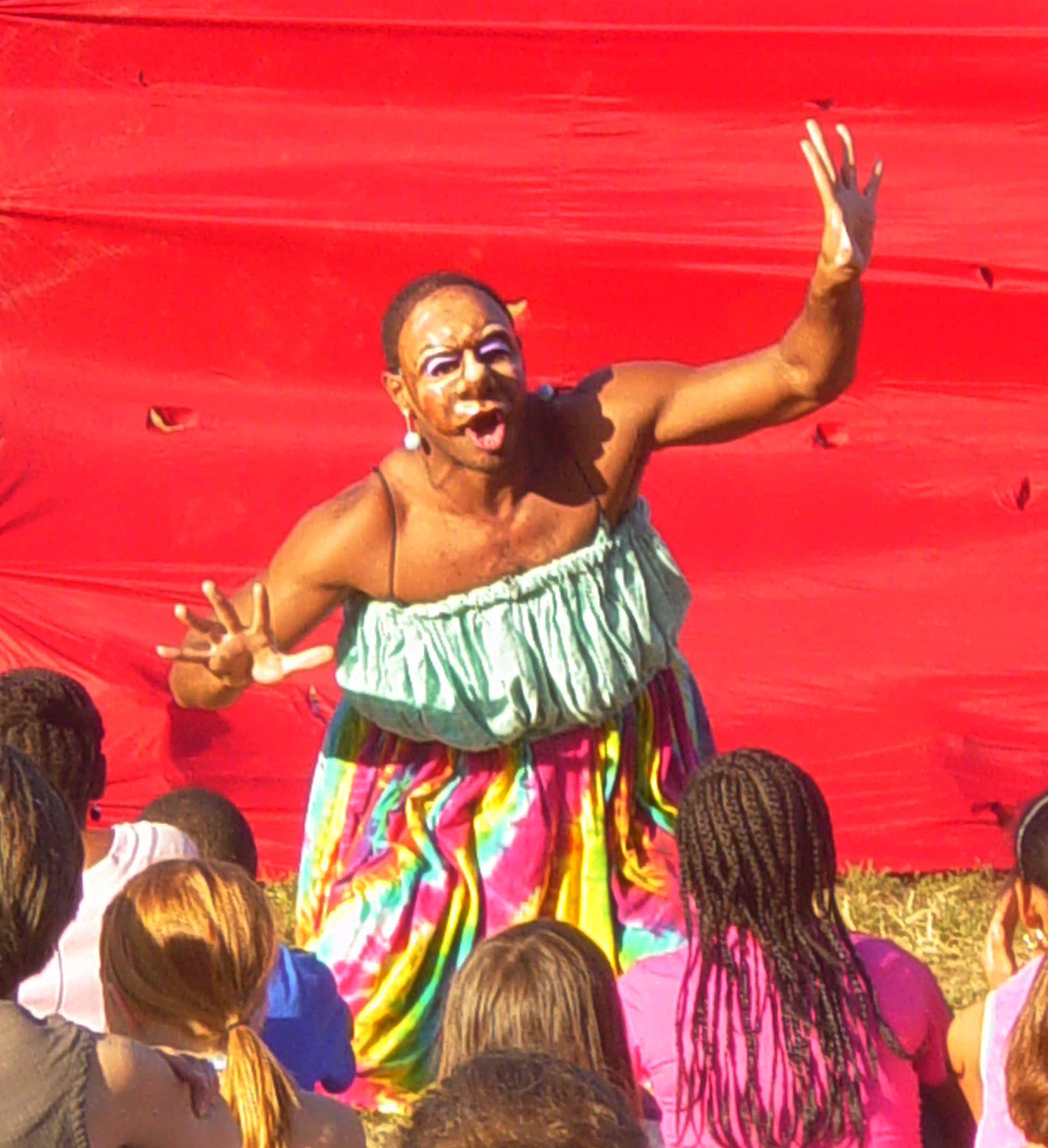
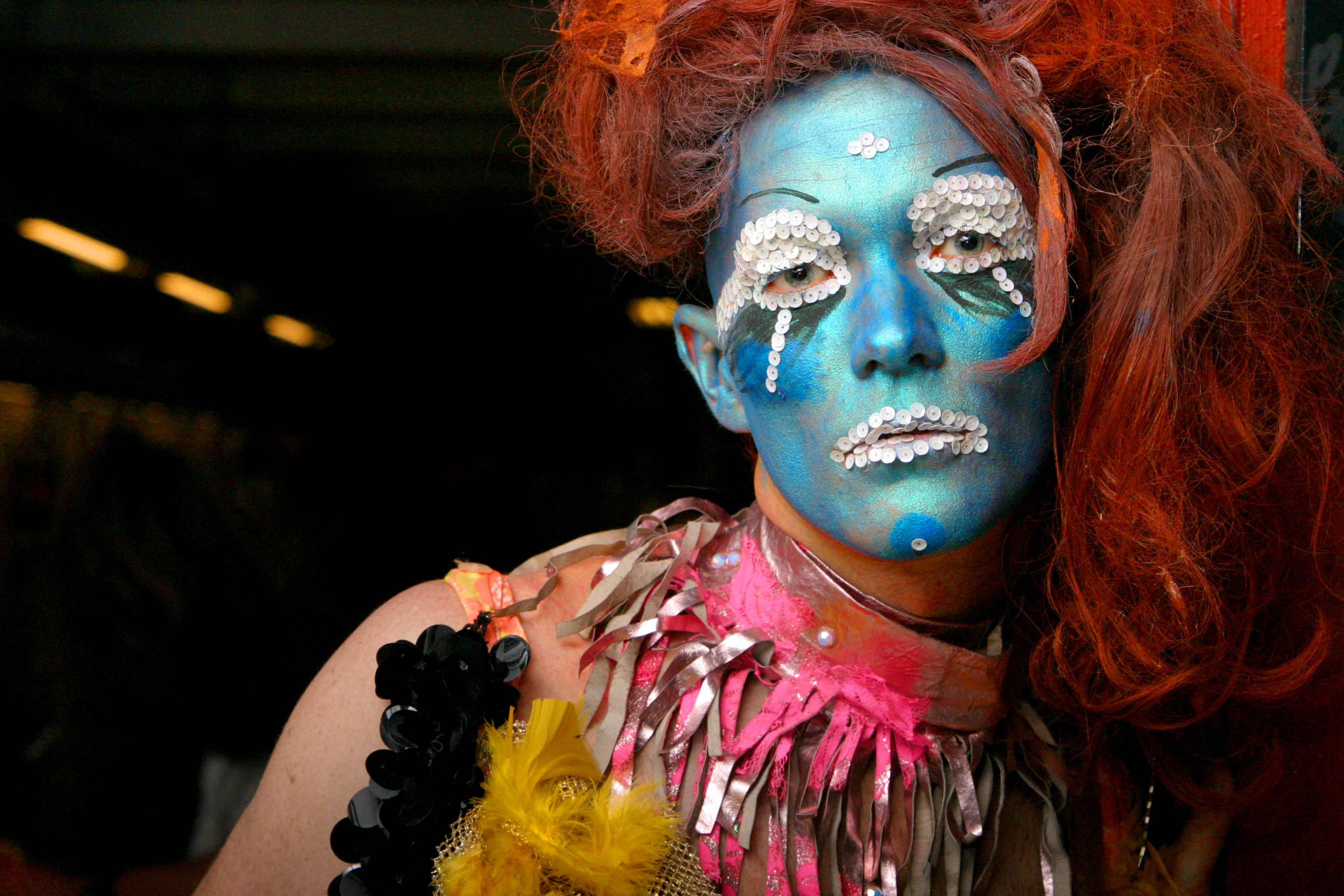
Image from "The Be(A)st of Taylor Mac"
Image from “The Be(A)st of Taylor Mac”

Taylor Mac is a force. I repeat, a force. Do yourself a favor and [buy a ticket to New York if necessary] and see him perform.  He is a captivating performance artist using surprise and imagination to connect with the audience. And he’s a drag queen with a great sense of style. Is it a mask? Is it makeup? Is it something else?  Let me know what you think.
And now, it’s OFF TO INDIA to work on the Maya project!